

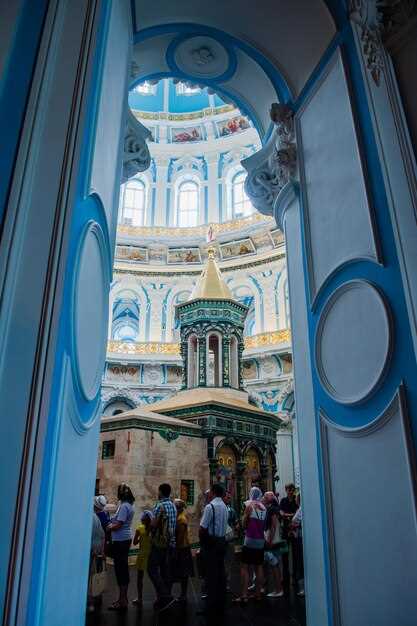
 Blue Mosque Istanbul – Visiting Tips, Hours, and Highlights" >
Dress modestly and bring a lightweight scarf; arrive before opening to avoid crowds. A respectful approach helps you enjoy the space without distraction.
The building, called the Sultan Ahmed Mosque and popularly known as the Blue Mosque, stands in the historic area near the square, which faces the Hippodrome. Construction spanned several years of work, from 1609 to 1616, under the patronage of Ahmed I, with master builders shaping its design. Even today, the structure conveys the scope of that work and its place in Istanbul’s history.
Inside, the six minarets frame a silhouette that complements the central dome. The structures inside emphasize balance, with ceramic İznik tilework and inscriptions by a master calligrapher; the tiles used here were crafted in Iznik, you face long rows of script and the names of God and the Prophet in elegant lines. Light pours in through hundreds of windows, giving a sense of height and calm, and even during peak hours, the main hall maintains a serene atmosphere.
Hours vary by season, and certain periods close to visitors for Friday prayers, so check the official schedule in advance. For the tourist who wants a focused visit, plan to spend about 45 minutes inside, plus time in the courtyard area. The tomb is located in the courtyard and is part of the same structures, which adds historical context to years of Ottoman work. Bring a water bottle in summer and dress modestly; keep voices down and show respect for worshipers. Shoes may be removed at the entrance when requested, and a compact bag is preferred for ease of movement.
Opening Hours and Practical Access Details
Answer: arrive before opening to beat the crowds and soak in the grandeur with a short, focused visit. istanbul’s Blue Mosque welcomes visitors daily, yet opening hours shift by season and prayer periods, so check ahead to avoid surprises. istanbul is a city where history and culture merge; among the city’s top sights, this sacred complex draws guests from centuries, and their first impression comes from the exterior minaret silhouettes that rise over the square.
Opening hours are generally 08:30–19:00 in spring and summer, and 09:00–17:00 in autumn and winter. On Friday, plan around the midday prayers when access may pause for a brief period. If you want the best chance to photograph the space, arrive before the heat of the day and stay later to see the interior bathed in natural light over the marble floors. certain days may vary for religious holidays; always check the official timetable before you go.
Entrance proceeds through security screening; avoid large bags that slow the line. Dress modestly: shoulders and knees covered; women may be asked to cover hair, scarves are available at the gate for guests who need them. Inside, speak softly while the chanted prayers echo in the air. No flash is allowed inside the main hall. The design owes much to the mimar who shaped the intricate arches and the minaret that rises over the courtyard.
The best route for a compact visit is to begin at the courtyard, then move into the prayer hall to admire its intricate tilework and the period grandeur. For first-time visitors, plan at least 45 minutes, and allow longer if you want to study the details that have survived for centuries among the space’s quiet corners. Where you go next is easy to plan: after the mosque, Hagia Sophia (hagia) is a short walk away, and you can continue to explore nearby sights in the same district.
In the surrounding precinct, you’ll also find a tomb and other monuments that reflect Istanbul’s history. The busy square commonly hosts huge crowds, yet the minaret silhouettes create dramatic photo opportunities. Nearby you’ll find a small store with souvenirs and a cafe to grab drinks before heading to your next stop. For a closer look at the details, study how the intricate patterns repeat them across arches, then follow the route to Hagia Sophia in a few minutes. The space offers a sense of wonder that few places match.
Opening hours by day and seasonal changes
Plan your visit for early mornings on weekdays in sultanahmet, arriving before the first prayer. This makes it easier to move around the designated areas and enjoy the magnificent interior with fewer tourists. Each space around the dome reveals its own detail. On fridays, expect the noon prayers to temporarily draw crowds away from key spaces; visit before 11:00 or after 14:30 to stay in the main courtyard without facing long lines.
Wheelchair users find access at side entrances; staff can assist with wheelchairs and guide you to the areas around the central prayer hall. For bags, carry a small bag and keep valuables close; large bags are restricted and may need checking at the side gate or left at your hotel before entering the complex. The route keeps you facing the hagia arches and the courtyard, letting you study the tile work with ease.
Note: kaaba sits in Mecca; this mosque in Istanbul offers its own victories in design, with elegant arches and calligraphy that visitors admire. Following this, tourists can appreciate the way light covers the domes and how the interior design makes the space feel larger than it is.
In winter the gate opens around 09:00 and closes around 17:00; in summer hours extend toward 19:00, with last entry roughly 45 minutes before closing. Official notices may shift these times around prayer schedules and holidays, so check the schedule on arrival and follow posted signs. For accessibility, designated routes and ramps allow easier movement through areas near the courtyard, while staff help with wheelchairs and maps around the sultanahmet area.
Following practical tips ensures a smooth visit: wear modest dress, covering shoulders, and avoid loud behavior; the side corridors offer quiet corners for photography, while large bags and backpacks should be left behind or stored at your hotel. This experience makes a memorable impression for every visitor, whether you stay in a nearby hotel or walk from the sultanahmet area to the mosque.
| Period / Day | Hours | Notes |
|---|---|---|
| Winter (Nov–Mar) | 09:00–17:00 | Last entry 16:15; fridays may adjust around noon prayers |
| Summer (Apr–Oct) | 08:30–19:00 | Last entry 18:15; crowds grow later in the day |
| Fridays | Open before and after Friday prayers | Plan to visit early morning or late afternoon; check local notices |
Best times to visit to avoid crowds
Visit on weekday mornings just after opening to minimize queues and access the central hall with the fewest people around.
Blue Mosque stands as a symbol from the empire, and its significance draws tourist attention. To experience the space into a calmer moment, plan around typical crowd patterns and your own schedule.
- Weekdays over weekends typically see lighter crowds, especially outside school holidays.
- The first hours after opening offer the calmest moment to enter the main hall and study the mosaics with fewer distractions.
- Midday crowds peak, roughly from midday to early afternoon, as tour groups and locals visit; avoid this window if you want quiet time inside.
- On jummah (Friday), expect a surge around noon due to prayers; schedule before noon or after prayers for access with fewer people.
- Shoulder seasons (late fall and early spring) usually provide calmer days, while peak summer weeks bring more groups and longer lines.
Entrance and flow: head to the main entrance and follow the security checks; keep bags lightweight and wear modest clothing to speed access. This plan reduces time spent at the gate, and youll enter the hall sooner.
- Plan a window: choose a weekday morning just after opening and arrive 15–20 minutes before doors open to be among the first inside.
- 入场策略:通过正门入场,穿着准备好的服装并携带小包,以尽量减少在检查站的延误。.
- 内部参观时间:中央大厅预留 30–45 分钟;如果想更全面地了解场地,请增加相邻空间和庭院的参观时间。.
- 设备和规则:标准参观无需特殊设备;大多数区域允许拍照,但禁止使用三脚架。.
- 如必须在高峰时段前往:请围绕主麻日和中午时段规划,或做好长时间等待和放慢节奏欣赏环境的准备。.
请注意:高峰时段,入场队伍可能会沿着广场延伸;提前规划避开这些时段,有助于您避免长时间等待,并享受不受干扰的环境。.
着装要求、入场规定和安保
衣着得体,遮住肩膀和膝盖,并带上围巾;如果需要,您可以在入口处借用披肩。.
如果你忘记了围巾,入口处的工作人员会提供披肩代替。.
在入口处,按照清晰的指示直接前往安检处。脱掉帽子和外套,并将鞋履放在架子上,然后再进入内部。选择舒适的、不露脚趾的鞋子,因为您将在大理石地面上行走,并且在繁忙时段可能需要站立。.
着装细则:
- 着装要求:男女均需遮盖肩膀和膝盖。.
- 头发:女性需用头巾遮盖,入口处提供裹布。.
- 鞋履:入内前请脱鞋;随身物品请减至一个小包。.
- 个人物品:避免携带笨重包袋入内;大型包袋受限。.
入场规则与礼仪:
- 入口标识清晰;请直接前往安全检查处,然后进入内部区域。.
- 大型包或背包禁止入内;请考虑将多余的物品存放在储物柜或您的酒店。.
- 在多数区域允许拍照,请保持低调;主祷告厅内禁止使用闪光灯。.
- 繁忙时段,请保持低声细语,放慢动作,以示对礼拜者的尊重。.
- 导游带领的团队可能需要按照既定路线行进;个人物品可能需要在入口处接受检查。.
无障碍和安全性:
- 可应要求提供轮椅;工作人员可以引导您前往无障碍路线和入口。.
- 入口处设有安检;预计会有金属探测器和包袋检查的快速筛查;请准备好电子设备,以加快流程。.
实用参观计划小贴士:
- 参观的最佳时间是上午,那时人群较少;中午参观通常比较繁忙。.
- 乘坐地铁或有轨电车到达现场;从地铁站出来后,按照前往苏丹艾哈迈德地区的指示牌和入口指示走;路线很简单。.
- 入口面向中央广场,让您以一种令人印象深刻的方式接近建筑群。.
- 导览游会提供背景信息;如果您稍后加入,您将了解到更多关于被称为主祈祷厅的内部以及周围拱门的信息。.
- 如果您忘记了围巾,工作人员可以用入口处的围巾替换;个人物品应仅限于一个小包。.
历史注记:这座名为蓝色清真寺的建筑群,展示了奥斯曼时代的令人印象深刻的建筑细节,那个时代的大臣和总统在国家建筑周围扮演着仪式性的角色。.
内部看点:主要穹顶、瓷砖和祈祷殿堂亮点
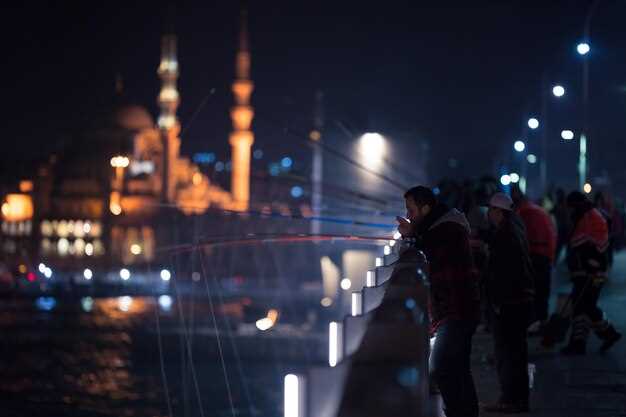
从面向广场的入口进入,感受内部的宏伟气势,主穹顶以古典的层叠方式上升,中央穹顶凌驾于半穹顶之上。连绵的拱门和筒形结构引导视线向上,光线包裹着大理石,增强了空间的韵律感。该设计旨在传达奥斯曼艺术的统治地位,工程技术与装饰在这里融为一体,形成一种势不可挡的力量。.
瓷砖和装饰:墙壁由伊兹尼克瓷砖包裹,饰有蓝色、绿松石色和白色花卉图案,并配以精致的书法带。最好的设计能平衡活力和克制,近距离观察仍然引人注目。这些设计为大厅提供了一种平静的韵律,即使你离开主轴,它的美丽仍然伴随着你。.
祷告大厅亮点:米哈拉布朝向麦加,位于雕刻的弧形中,在柔和的光线下闪耀。敏拜尔作为指定的讲坛,矗立在附近,是奥斯曼木工的杰出典范。上方的圆顶创造了一个充满光线的华盖,而灯具则在铺着地毯的地板上投下温暖的光芒,地毯的图案引导着人们走向米哈拉布。当大厅里挤满信徒时,气氛庄严而引人注目,装饰和铭文强调了神圣的焦点。.
实用贴士:请遵守指南和工作人员的指示,怀着敬意穿行于各个指定区域。大多数区域允许拍照,但请不要在礼拜者附近使用闪光灯。部分区域在祈祷时间会关闭,请查看时间表并规划路线,以便在关闭前欣赏到最佳景观——敏拜尔、米哈拉布和气势恢宏的天花板。.
到达方式、排队情况和附近景点
搭乘T1有轨电车前往苏丹艾哈迈德,并在08:00–08:30到达蓝色清真寺,以便在礼拜开始前避开排队人潮;最后一刻到达的人会面临更长的队伍。.
主门和庭院都会排队。请使用指定的游客入口,以便顺利通行,尤其是在祈祷临近时。在繁忙的日子里,游客预计需要等待 15–30 分钟,而在一天中的晚些时候或祈祷之后,队伍通常会缩短,因此您可以更轻松地进入内部。这会让您的参观有一个更平静的开始。.
着装要求包括遮盖肩膀和膝盖的服装;女性应以围巾包住头发。入口附近提供免费围巾,工作人员可能会引导游客前往领取。进入前需脱鞋,携带小包可加快安检速度。如果您未穿着合适的服装,可以借用围巾并继续参观;有些游客会采用在其他场所使用过的方案。.
附近景点:圣索菲亚大教堂、地下水宫和阿拉斯塔市集等伊斯坦布尔最具代表性的景点都近在咫尺。对于瓷砖爱好者来说,可以参观吕斯泰姆帕夏清真寺,这是一座以伊兹尼克瓷砖和帝国设计实力而闻名的历史悠久的清真寺。接下来去哪里由您决定;基本上,您可以创建一个紧凑的环线,稍后包括一家咖啡馆。.
实际游览范围:从蓝色清真寺出发,您可以步行前往其他景点,或乘坐有轨电车返回交通枢纽。如果您与家人或团体一起参观,请计划在中午祈祷开始前完成游览,或选择稍晚的时间,那时人群稀少,气氛更加宁静,您可以祈祷或反思。.





 简体中文
简体中文  English (UK)
  Français
  Deutsch
  Русский
  Українська
  Türkçe
  Polski
  Español
  Italiano
  العربية
  Ελληνικά
  日本語
日本語  한국어
한국어  Čeština
  Português