

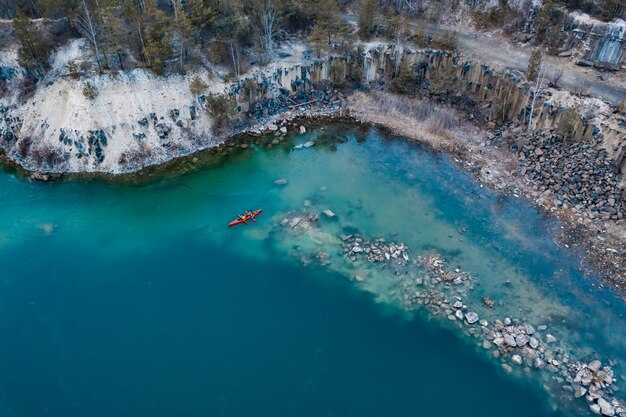
 Liste d'envies turque - Faire du parapente au-dessus du célèbre Lagon Bleu d'Ölüdeniz" >
Book a dawn tandem flight with a licensed operator in fethiye to ensure safe winds and the best light for photography. nowadays, this move is the simplest way to get an adrenaline kick and say you’ve done it. If you’ve never done this, the process is straightforward: a quick briefing, gear check, and your ticket scanned before launches.
The takeoff sits on Babadag Mountain, rising to about 1,960 m above sea level, which puts you well above the coastline with a sweeping view of a turquoise inlet below. Flights typically last 20–40 minutes, depending on wind and conditions, and land softly near the shore. The operator uses tandems to maximize safety, and light is strongest just after sunrise or in the late afternoon for the most cinematic photography.
Safety notes: choose a fully licensed operator, respect weight limits, and wear closed shoes. A helmet and harness are standard, and loose items should be secured or left behind. After launch, follow the guide’s instructions and use the included safety briefing; adrenaline is common, but the system is designed to keep you safe and comfortable. If you love travel photography, you can often add a photo package to capture this moment, which you can then share. For first timers, it’s not hard to manage the moment.
Practical details: tickets are sold by licensed outfits; price bands commonly range from around $60 to $120 per person, depending on duration and extras. Book in advance online or at the base, and check the cancellation policy. Arrival roughly 30–60 minutes before launch is recommended for check-ins, gear fit, and weather briefing. The open window for flights varies with the season, so planning ahead is essential to avoid disappointment and ensure a smooth experience.
For photography lovers, this ascent is a standout addition to any coastal itinerary. The combination of adrenaline, dramatic scenery, and love of travel makes it a best experience near fethiye. After you land, you can continue with a boat trip to nearby coves or a hike to a hillside village; the activity is fully accessible to newcomers, with operators ready to assist and explain every step.
Age, Weight, and Height Limits: Practical Guidelines for a Safe Flight
Meet the operator’s limits before booking; if you don’t, you aren’t cleared to fly. Use a clear plan, view safety videos, and confirm insurance coverage with your provider before making a transfer to the lift-off area near babadag in fethiye.
-
Age requirements
Minimum age is 18. In most cases, upper age limits range from 60 to 65; exceptions exist with medical clearance from an experienced physician. If you’re in the upper bracket, expect an assessment by the instructor team to ensure comfort and control during take-offs and manoeuvres.
-
Weight limits
Pilot weight cap typically sits at 95–105 kg, with equipment bringing the ceiling to 110–120 kg. Larger wings may allow up to 125 kg in some cases. If you’re near the limit, expect a brief preflight check to verify balance and aerodynamics. Lower weight limits may apply to beginners during ground handling hours; confirm with the operator before making a trip plan.
-
Height and harness fit
Most harnesses accommodate 150–190 cm. Taller or shorter participants might need a specialized rig or adjustable lines. Comfort on the initial take-offs is crucial, so request a fit check on arrival and a quick trial in the seating area to ensure a stable view during ascent.
-
Medical and insurance considerations
Do not fly if you have recent back or neck injuries, pregnancy, or uncontrolled medical conditions. Carry travel insurance that explicitly covers adventure activities; verify your plan covers equipment losses and medical evacuation. Some operators offer a supplemental plan; review it as part of your trip making.
-
Preflight plan and safety briefing
Watch safety videos, review the procedure for ground handling hours, and listen to experienced instructors during the briefing. Expect a short ground session focused on stance, edge control, and the basic take-offs; this reduces stress and increases the likelihood of a comfortable ascent on launch days near babadag.
-
Wind, weather, and timing
Flights proceed only in suitable wind. Lower wind levels reduce risk during take-offs and landings; winds dropping quickly can cancel the session even minutes before launch. On days with wild gusts or pre-dawn instability, operators postpone until conditions improve. In most cases, a forecast window guides the plan, and you may transfer to a later slot or to a different site along the coast.
-
On-site logistics and safety etiquette
Transfers from multiple hotels to the lift-off area may be arranged. Arrive dressed for activity, bring a light jacket for cooler air at altitude, and wear secure footwear. The operator will assign a qualified instructor to oversee basic manoeuvres; advanced manoeuvres aren’t required unless you’re an experienced flyer seeking a challenge. Ensure you understand the down sequence after touchdown and follow all signals from staff.
-
What to expect during the flight
The ascent from the hill near fethiye provides a panoramic view of the coast and the butterfly valley in nearby terrain. Take-offs last a few minutes, with sustained flight often reaching 10–20 minutes depending on conditions. Most flights stay at low altitudes to keep manoeuvres comfortable for first-time flyers; advanced options are available for those with prior training under the supervision of a seasoned operator.
-
Practical notes for your trip planning
If you don’t meet weight or height thresholds, consider a partner option such as a weight-adjusted session using a larger wing, or a shadow flight with a trained instructor to learn body positioning. Book a great, flexible option and keep a backup plan for weather-driven changes. Your plan should include a buffer of minutes for delays, a transfer arrangement from your hotel, and a review of cancellation terms in case of wind down.
-
What to bring and review before the trip
Bring a compact camera or phone for view moments after take-offs; if you’re bringing equipment, verify it’s secure and within airline allowances. If you’re sharing a video of your flight, ensure the operator allows you to capture highs and lows during the run. A robust plan that covers insurance, hours of instruction, and a comfortable transfer from your lodging makes the process smoother and more enjoyable in the wild coastal environment near babadag.
Who Can Fly: Age Minimums and Maximums for Tandem Paragliding
Minimum age is 18 for a standard tandem flight; in some outfits, 16–17 may be allowed with guardian consent, and either age bracket requires a health check. Maximum age is commonly 65–70, with exceptions up to 75 if health is good and a doctor approves.
Lower weight limit is typically around 40–45 kg; upper around 110–120 kg depending on the harness and ballast. If you are near the top end, contact the operator to confirm the max load for that day. Participants must be healthy, not pregnant, and able to walk to the takeoff spot and stand for several minutes; a safety briefing is mandatory.
Flights run in a mild season across most months along the coast. The season typically spans spring through late autumn, with november still offering some days of clear skies; however, winds and rain can reduce flying days. Flights are quite weather dependent, so heres where you plan your itinerary and stay flexible. If you think your schedule is tight, you may need to adjust.
heres a simple booking checklist: compare operators, ensure ticket validity for the window you want, and arrive early for a short briefing. The experience is really amazing and packed with adventure; youre itinerary may include a quick hike or scenic lookout before or after the ride. You can spend a bit more to extend the glide or add a balloon ride for a fuller day. The whole thing feels beautiful and leaves you with a lasting memory; weather permitting, you can soar for 8–12 minutes depending on conditions.
Weight Cap and How It Affects Your Takeoff, Flight, and Safety
Stay within the posted weight range; if youve got weight near the upper end, pick lighter gear and packing minimally. september sessions on the hill often bring stable mornings and a right wind window; some days stay within the range, but you must verify the exact limits with the company before you register your flight. hotels nearby offer quick access after the transfer; this approach keeps everything comfortable and avoids delays.
The weight cap directly affects takeoff dynamics, airflow interaction, and safety margins. A lighter load means a shorter ground run and easier inflation. A heavier load increases wing loading, raises stall speed, reduces climb rate in thermals, and makes handling in gusts more demanding. In practice, watch for wind shifts and pick a time window with calm weather; the vibe on the launch site can be intense, but right weights make it smooth. If you landed safely, the post-flight debrief comes quickly.
To prepare, know the limits and options. Before you register, confirm the range for your weight including gear with the company; when you pick your packing plan, you can find guidance at the kiosk or online. This approach comes with a clear transfer plan from gear to wing and avoids surprises where everything is organized; youve got a smoother path to the ride and can truly enjoy the moment.
| Weight class | Takeoff impact | Flight behavior | Safety notes | Action |
|---|---|---|---|---|
| Light load (below 70 kg) | Shorter lift-off; easier inflation | Stable climb in mild thermals | Low risk; harness fits well | Use standard wing; verify with crew |
| Mid range (70–95 kg) | Typical ground run; normal inflation | Balanced energy; predictable glide | Watch weather; keep gear within limits | Follow recommended wing size; pack light |
| High load (95–110 kg) | Longer lift-off; higher wind window may be required | Higher wing loading; faster forward speed | Gust sensitivity increases; preflight check essential | Consider lighter gear if allowed by the chart; confirm with guide |
| Upper limit (110+ kg) | Pushes typical wing capacity | Significant wing loading; control demands rise | Elevated risk in gusts; reserve timing critical | Fly only with explicit approval; do not exceed limits |
Height Considerations: Does Your Stature Impact the Experience?

Yes. Your size matters for harness fit and comfort; operators with adjustable gear and accurate preflight checks make the experience fine. Here are essential guidelines to ensure a smooth transfer to the take-offs at Babadag and a clear view of the coast.
- Months ahead: Confirm the accepted weight and height ranges for your operator; ranges vary by gear and crew, so verify before booking.
- Fit checks: Do three quick checks on the ground: back support, leg loops, chest strap; if anything feels off, theyll adjust or swap to a different size.
- Seating options: Most bases offer three seating positions (front, middle, back). For short statures, front puts you closer to the view; for taller flyers, back reduces harness bulk near the take-off.
- Gear and footwear: Closed-toe shoes mandatory; sandals or flip-flops not allowed. Wear comfortable, non-slip footwear and light layers for temperature changes.
- Transfer and prep: After check-in, a dolmuş ride or staff transfer is common to reach the launch; theyll guide you to the platform and help with harness setup.
- Take-off technique: Run-up and lift happen quickly; keep weight centered, look toward the view, and use the side of the harness as a balance cue; if the process feels tricky, signal the crew immediately.
- Memories and vibe: Landing finishes the ascent, leaving memories and a wish to return; as a person and as flyers, staying calm makes it smoother for back-to-back flights and partners on the same day.
Medical and Fitness Prerequisites: What to Disclose Before the Flight
Disclose all medical conditions and medications to the operator at least 24 hours before your session, with a brief health history covering the past months and any implants, allergies, or recent injuries that could affect balance or wind response. If in doubt, contact the booking desk to confirm documentation requirements before you buy a ticket, and consider noting any conditions that could become dangerous in gusty or crowded moments. Use a clear, honest source of information and know that this disclosure protects both you and the team.
Fitness prerequisites: maintain a baseline cardio and core stability for the course; postpone if you’ve had chest pain, fainting, or severe shortness of breath in the last weeks. Pregnant travelers, recent fractures, or back problems should skip until cleared by a professional. If you wore any medications that may impair coordination, discuss timing and dosage with the instructor. Expect that professional guidance may flag items that would complicate the launch–this is not the moment to guess or skip the process, as the least risk is the aim for every flyer.
Gear and apparel: wear closed-toe shoes with good grip; avoid loose jewelry or long scarves; dress in layers. If you wore contact lenses, bring spare glasses as backup. Choose breathable fabrics for warm conditions and pack a light windbreaker for the moment when the thermal winds pick up above the take-off zone. You’ll approach the launch point from a village area and move along a boulevard near the plateau, close to kemer, so keep valuables small and secure to avoid damage or loss during the transfer.
Medical documentation and checks: bring a concise note on any conditions, a recent heart rate check if advised, and emergency contact. If you use a pacemaker, insulin pump, or inhaler, inform the crew. The operator may require a certificate, especially for high-risk histories; having this ready will speed the process and avoid delays at the desk here. Prepare copies of essential information and carry them with your ticket in case staff request verification.
Itinerary and safety: the preflight briefing will cover the specific route, wind conditions, and what to do if you feel dizzy or lightheaded. If conditions are dangerous, the guide will stop you from proceeding and suggest waiting until a safer window. For flyers with sensitive backs or knees, a preflight conditioning check may be part of the course; know that a cautious approach will prevent injuries and preserve memories of the experiences. The instructor may pick a moment for the lift when gusts align, so listen closely and follow signals without rushing.
What to expect and aftercare: the experience can be amazing but physical stamina matters; after landing, rest a few minutes, rehydrate, and inspect any gear. Tiny aches are common but should ease within hours. If you have a camera, mount it securely and keep the strap tight to avoid movement during the flight, and pack a spare card; capturing memories is great, but safety comes first and you should not carry heavy bags beyond the base. If you feel unwell, stop and seek medical help immediately. Before you leave, check your itinerary and ensure your ticket covers potential rescheduling, and know there are ample opportunities to book another moment here. After the session, review what you learned and plan a light cooldown to support recovery.”
What to Bring, Wear, and Prepare for the Flight

Pack a light windbreaker and sturdy closed-toe shoes for the take-off and landing. You could adjust layers as winds shift and temperatures change; keep loose sleeves and jewelry out of the hang area, and carry a compact weather-appropriate layer you can open or close.
Wear in layers and opt for lenient, breathable fabrics. Avoid short shorts or skirts; long pants or track pants protect legs during ground handling and possible contact with rough site. A lightweight fleece or down layer helps above the high site when winds pick up. The village atmosphere has a greek vibe, and you’ll find plenty of options for a warm meal after the flight at a hotel or guesthouse.
Hydration and sustenance matter: bring plenty of water and a quick-energy snack. A small backpack keeps your water bottle, sunscreen, and sunglasses accessible; also pack a cap or beanie for sun and wind protection. Sunscreen protects face during the climb to altitude, where view improves dramatically.
Personal items should stay secure. Use a belt pouch or zippered pocket for your phone, ID, and insurance paperwork; avoid loose items that could distract you during take-off or hang in the air. A light rain cover could be helpful if weather shifts throughout the day; the operator will provide harnesses and helmet, but you should still bring personal items you value and stick to the briefing to prevent hard knocks on the ground.
Site and wind awareness. The high launch point demands careful listening to the pilot and following their instructions; check winds above the landing zone and the approach path. You may stand at the edge with a dramatic view, but stay behind the line when the wing comes loose. The site often has a beautiful coastline backdrop, and the vibe is calm even when the air is lively. You might see turkeys wandering near the more sheltered paths in the early morning, a reminder of the rustic setting you’re stepping into. Stick to the briefing and don’t deviate from the marked zones.
For nervous flyers: choose a tandem option with an experienced pilot. You could start with a short session to gauge comfort; if you aren’t ready, you could reschedule another day. There aren’t many reputable companies that tailor the pace? There are options to take-off with a calm approach, and you would still enjoy a really scenic ride above the coast.
What the flight session provides after landing. After you land, you’ll keep the memory and have a chance to debrief with the pilot. Some riders linger in the village center to sip tea and discuss the experience; the whole vibe remains open and friendly. You’ll still have a view of the mountains and the sea, with plenty of opportunities for more adventures throughout the day.







 Français
  English (UK)
  Deutsch
  Русский
  Українська
  Türkçe
  Polski
  Español
  Italiano
  العربية
  简体中文
简体中文  Ελληνικά
  日本語
日本語  한국어
한국어  Čeština
  Português