

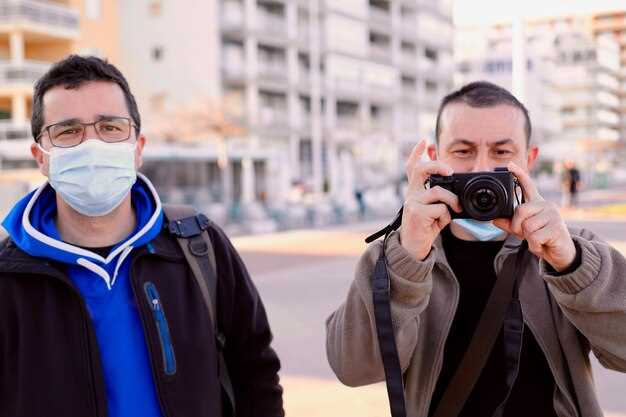
 Is Istanbul Safe in 2025? Your Comprehensive Travel Safety Guide" >
Yes, Istanbul is safe in 2025 when you travel with a plan and stay aware. Treat your trip like a movie, where small choices set the tone. This guide started with a full safety checklist and continues with updated data-driven tips, practical steps, and concrete recommendations you can apply from the moment you land. Begin with stays in a few well-reviewed parts of the city, then map routes and contingencies ahead of time. What matters most is staying informed.
Latest data show street-level crime remains lowest in official transit hubs and higher around crowded street markets. Authorities warn about pickpockets in crowded markets and along the Bosphorus promenade. Local guards warn to stay on well-lit streets and to avoid empty alleys after dark. In practice, stay alert in popular parts such as around the Blue Mosque, Grand Bazaar, and Taksim Square; keep belongings in front pockets or zipped bags. For a woman traveler, dress comfortably but modestly in religious sites and carry a light scarf; be mindful of your surroundings and avoid walking alone late at night. When you hear a warning from authorities or hotel staff, take it seriously and follow official guidance. Natural crowd patterns vary with weekends and religious holidays, so adjust your plan accordingly. You cant ignore the data, and you should think about your security beyond a single street or moment–plan again if the situation changes.
Transit options are reliable and prices are clear. Use the municipal metro and tram lines (M2, T1) for safe, affordable travel along the city’s core routes. If you need a taxi, choose licensed meters or apps; always confirm the price before the ride. In central areas, prices from Sultanahmet to Taksim can be around 40-60 Turkish Lira during the day and higher at night; factor traffic and crowds along popular times. Mind the driver’s direction, avoid unsolicited rides from street vendors, and rely on official apps to stay safe. If a ride ends up longer than expected, plan ahead anyways.
For safety, choose accommodations in Beyoğlu, Kadıköy, or near major transit hubs. The historic balat neighborhood offers picturesque street scenes and cafes but can be quiet after 11 p.m.; stick to well-lit, populated streets if you explore there. For day trips, use official guides and check data on schedules; if you plan to visit fethiye, confirm domestic flight times in advance. If you want a calmer stay, pick a hotel with 24/7 reception and clear safety policies. People who lived in the city emphasize the importance of staying near transit lines and avoiding isolated lanes at night.
Before you go, save a full contact list and your accommodation address in your phone, along with a bookmarked map for balat, fethiye, and other points of interest. Keep emergency numbers handy and know how to reach local authorities. Check travel advisories from your country and stay aware of local bans related to demonstrations, which can begin suddenly and affect access to some streets or neighborhoods. If you feel unsure, ask a local or hotel staff for quick safety checks; most locals welcome questions and offer practical guidance anyways. For updates about turkey, monitor official sources and travel resources so you can adjust plans in real time.
Radical Storage – Your Travel Ally
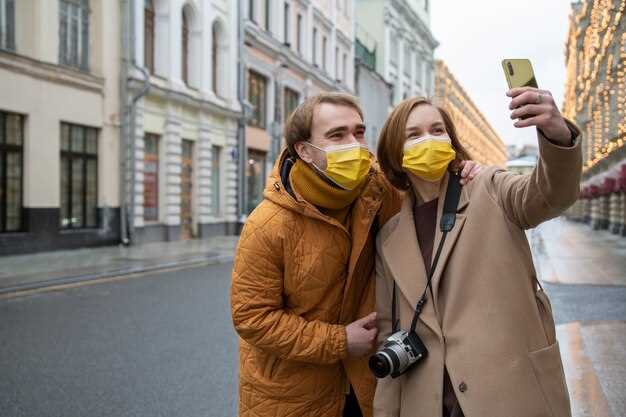
Choose a well-lit, central locker with 24/7 access, CCTV, and clear pricing to keep your gear safe and your routes getting around Istanbul, a capital city hub attracting lots of migration and visitors.
- Security features: well-lit premises, monitored entrances, tamper-evident seals, and optional insurance coverage.
- Accessibility: 24/7 access when possible, friendly staff during peak hours, and a mobile app for quick pickup.
- Pricing and exclusions: compare hourly rates, daily caps, and any exclusions on items (hazardous goods, perishables, or large items).
- Location: pick lockers near transit hubs–Sultanahmet, Eminönü, or central business districts–to minimize walking and stay in busy, well-run areas. Maybe this reduces exposure during protests. This setup is recommended for most travelers.
- Cost options: free first hour or discounted extension periods; look for deals to stretch your budget, helping both poor and rich travelers alike.
- Access modes: ride-hailing is convenient, but verify drop-off points and building access; dont rely on random routes late at night.
Addition: For a calm start, map your route before you go and keep your valuables in the locker while you explore.
- Plan the day around a single storage stop near your hotel or current location to reduce backtracking.
- When you return, bring a light bag and keep the key or code secured; dont leave the container unattended.
- Be mindful of protests and crowd hotspots; choose a facility away from active demonstrations when possible.
- Watch mopeds on busy streets; avoid sidestreet entrances where two-wheeled traffic can obscure walkers.
- Pack gastric-friendly snacks to avoid hunger during long museum stretches; you can stash a small supply in your bag or locker for easy access.
Addition for woman travelers: look for facilities with on-site staff, clear signage, and private options to enhance staying safe and comfortable during solo outings.
Pickpocket Prevention in Istanbul’s Markets and Metro Hubs
Raccomandazione: Use a front-pocket wallet or money belt, and wear a crossbody bag worn in front. In busy markets like Grand Bazaar and Spice Market, and on metro routes through Eminönü, Beyoğlu, and Taksim, stay alert and follow five concrete steps to reduce danger. If you’re alone or traveling in a small company, these tips apply equally to everyone.
Step one: Split valuables. Place cash and cards in a money belt or zipped inner pocket; keep your phone in an inner pocket or front pouch. This is convenient when you move through crowded stalls or transfer to ferries after market visits. If you travel with a group, it helps to designate one person to handle wallets–but everyone should still stay vigilant.
Step two: Limit display. Do not fumble with large bills or high-end devices; keep your phone out of sight when not paying and avoid flashing jewelry. This reduces attractors and keeps attention away from your pockets in busy aisles and at the overcrowded turnstiles.
Step three: Stay with your group and follow guides. Pickpockets often work in teams using distractions; stay with companions or a tour guide, and avoid wandering toward border areas such as ferry terminals unless you’re with staff. If you travel with a company, agree on a meeting point and head count.
Step four: Bag positioning and anti-theft gear. Use a bag with lockable zippers or a hidden inner pocket; keep the strap across your chest and the bag in front in busy corridors of Istiklal Street and at station entrances. For longer trips, consider a compact travel belt and a pouch hidden under your clothes, especially when you’ll be moving toward beaches or other outdoor spots after markets. Give space to others and keep your pace steady to avoid drawing attention.
Step five: Quick response plan. If you suspect theft or other problems, move to a well-lit area, check belongings, cancel compromised cards immediately, and report the incident to local authorities. Carry a digital copy of your passport and important contacts; in Izmir or other cities there are cases of pickpocketing near transit terminals, so plan extra time for transfers if you’re coming from Izmir or arriving via dhabi routes.
Safety note: Sexual harassment can occur in crowded spaces; if someone makes inappropriate advances, step away and seek staff assistance. Always trust your instincts; if a situation feels off, request help from shop staff or police. Overall, careful behavior reduces danger, and most trips stay quite smooth when you follow these tips. Anyways, stay aware, head up, and show courtesy to others in line with local etiquette.
Safe Transit Choices: Taxis, Public Transit, and Ride‑Shares
Always choose licensed taxis with a visible meter; insist on using the meter and confirm the fare before you enter. If a driver offers a fixed price or refuses the meter, cancel and use a trusted ride‑share app or another taxi. Alexander would remind you to note the plate and enter from the curb side to stay visible to people. Then set your point of departure clearly and watch the route on the meter, which helps prevent theft and misunderstandings. Respect the culture and local rhythms of Istanbul. These are useful reminders.
Public transit provides low-cost routes between major sites along the Bosphorus and historic districts in Istanbul. Use Istanbulkart, tap in and out, and stay aware in crowded cars. The tram, metro, ferries, and funicular lines connect the old town with modern neighborhoods, often along busy corridors by the coast. These routes cut across Istanbul’s middle districts and popular sites. People at stations share tips and friendly words, reflecting Istanbul’s hospitality and spirits. Keep valuables in sight and watch pockets, especially during the evening, when the situation can shift. Articles from local guides emphasize getting around safely–ever practical tips for travelers.
Ride‑shares offer door‑to‑door convenience, but choose trusted apps and verify trip details before you enter. Confirm driver name, car color, and plate; share your trip with a group of friends or a trusted contact for ongoing monitoring, and avoid pickups in poorly lit or dark sites. If you have questions about a pickup, confirm the details with the driver before you enter; if something feels off, cancel and switch to a taxi. Local drivers and operators have lived experience that informs safe practices.
| Mode | Tips | Watchpoints |
|---|---|---|
| Taxi (licensed, with meter) | Ask meter fare upfront; note plate; use curb pickup; avoid fixed-rate offers | Theft risk low when meter is used; watch for unlicensed cars |
| Public transit (tram, metro, ferries) | Use Istanbulkart; tap in/out; stay in crowded cars; keep valuables in sight | Avoid crowded cars late at night; monitor crowds and exits |
| Ride‑shares | Verify driver name, car color, plate; share trip with someone; choose well-lit pickup spots | Cancel if route detours or driver asks for odd detours; use ongoing monitoring |
Digital Security: Protecting Your Phone, Apps, and Online Accounts
Enable two-factor authentication on all accounts immediately, pair it with a strong screen lock, and back up data regularly to a trusted location. Five quick steps keep your phone safer while you travel: 1) use unique passwords and a password manager; 2) enable MFA via an authenticator app; 3) keep OS and apps updated; 4) review and limit app permissions; 5) keep backups encrypted and accessible offline. dont ignore updates or security prompts, especially in turkey. it’s useful to receive alerts from banks and apps when there is unusual activity.
Be aware of customs checks at airports and border crossings. When you present your device for inspection, avoid showing sensitive apps or messages. In crowded areas near galata and at dusk, keep phones tucked away and resist strangers offering quick help. Use a quality case and screen protector; low-cost repairs can compromise security, and sometimes scammers push fake chargers or accessories. In february travel, service slots can fill up, so plan ahead.
Proteggi app e account online con un gestore di password; evita di salvare le password nei browser; abilita l'MFA; aggiorna le opzioni di ripristino; controlla i dispositivi collegati ed esci dalle sessioni inutilizzate. Usa fonti affidabili per i download; chiedi consigli alla gente del posto, ma verifica con store e fornitori ufficiali. I viaggiatori in Bangladesh che cercano app popolari da fonti ufficiali preferiscono opzioni verificate e leggono le recensioni prima di installare.
Quando usi reti pubbliche, non accedere mai a Wi-Fi aperti. Usa una VPN affidabile e disabilita la connessione automatica; assicurati che il dispositivo richieda una nuova autenticazione dopo lo sleep. Sii cauto con link o allegati ricevuti via chat o email; non cliccare su messaggi sospetti. Se incontri qualcuno che offre un affare che sembra strano, parlane con la gente del posto o con lo staff prima di procedere; non condividere mai codici o password. Se fai attività all'aperto come il parapendio, proteggi il telefono in una custodia impermeabile e scarica mappe offline in anticipo. Una strada rumorosa o una passeggiata affollata possono mettere alla prova la consapevolezza situazionale; tieni i tuoi oggetti di valore vicini.
A Istanbul, monitora il traffico ed evita di finire in strade trafficate mentre guardi il telefono. Quando cammini nei quartieri più frequentati, tieni lo schermo basso e usa tasche o una borsa sicura. Gli abitanti del posto possono darti buoni consigli; parlaci se hai bisogno di indicazioni, ma fai attenzione alle truffe. Se ti trovi in zone con proteste o manifestazioni rumorose, allontanati e controlla gli avvisi ufficiali. Fai attenzione a potenziali minacce terroristiche o di altra natura per la sicurezza e tieni al sicuro il tuo dispositivo quando ti sposti tra quartieri come Galata e oltre.
Porta con te un kit compatto e di qualità: un power bank carico, una eSIM separata e un metodo per ricevere avvisi da banche e app; mantieni buone abitudini di sicurezza e scegli fonti ufficiali per i download. L'approccio raccomandato è quello di rimanere consapevoli, ridurre al minimo l'esposizione in strade affollate e goderti il tuo tempo in Turchia con fiducia.
Radical Storage: Disponibilità Armadietti, Consigli per l'Accesso e Posizioni Strategiche
Prenota un armadietto presso i principali snodi di transito di Istanbul prima del tuo arrivo, tramite fornitori affidabili collegati agli snodi, per garantire spazio e un ingresso rapido quando ne hai bisogno: è un fantastic opzione per mantenere flessibile il tuo programma.
La disponibilità varia a seconda della località. L'Otogar centrale, Sirkeci, Yenikapı e l'area dell'aeroporto offrono il maggior numero di opzioni; esistono armadietti più piccoli nei quartieri per brevi soggiorni, ma probabilmente perderai più tempo a cercarli altrove; durante i periodi di punta, può essere difficile trovare un'unità disponibile. Lo stesso modello si applica a tutti i siti, con corridoi ben illuminati e segnaletica chiara che migliorano le condizioni e la sicurezza.
Consigli per l'accesso: scegli un armadietto in una zona ben illuminata e con telecamere; preferisci posizioni che offrono 24/7 accesso ai terminal principali. Utilizza un PIN sicuro o un codice QR e registrati al chiosco solo quando sei pronto per ritirare le borse. Mantieni riservati i codici e predisponi un piano di riserva in caso di problemi con il sistema, ad esempio chiedendo assistenza al personale in loco.
I punti migliori includono i moli dei traghetti di Eminönü e Karaköy per una breve passeggiata verso le attrazioni, Yenikapı per un rapido cambio di metropolitana e Taksim/Beyoğlu per l'accesso a musei e mercati. All'aeroporto IST, gli armadietti vicino agli arrivi ti consentono di depositare i bagagli prima di dirigerti in città; per soggiorni più lunghi, la rete hub centrale offre una copertura più ampia. Un taxi può accelerare questo processo se hai fretta.
I costi variano in base al fornitore e alla durata. Le tariffe a breve termine sono modeste, con limiti giornalieri per soggiorni più lunghi. Gli aggiornamenti arrivano come promozioni stagionali o offerte combinate, quindi confronta le opzioni tra gli hub centrali per ottenere un valore migliore. Se un armadietto non funziona correttamente, contatta il personale in loco; molti fornitori mantengono chat online o supporto telefonico per una rapida risoluzione. Se non riesci a trovare un armadietto, un taxi per un hub vicino con disponibilità è un valido piano di riserva.
Sicurezza e comportamento: fai attenzione alle aree affollate dove può emergere attività di spaccio; tieni gli oggetti di valore con te ed evita di lasciare incustoditi gli oggetti. Questo approccio mantiene il lavoro e le visite turistiche senza intoppi e avvantaggia la società riducendo il disordine nelle vie centrali. Gli armadietti attraggono viaggiatori da ogni dove, inclusi turisti e residenti; tutti traggono beneficio quando gli spazi sono ben illuminati, monitorati e facili da raggiungere. I flussi migratori attraverso Istanbul fanno affidamento su uno stoccaggio agevole per rispettare le scadenze.
Preparazione alle emergenze: Contatti locali, ospedali e procedure di polizia
Salva subito questi contatti di emergenza: 112 per emergenze mediche, 155 per polizia e 110 per vigili del fuoco. Sono operativi 24 ore su 24, 7 giorni su 7, quindi memorizzali nel telefono e in una nota stampata. Questo ti aiuta a rispondere in sicurezza nelle ore successive a un incidente, soprattutto se sei fuori la sera.
Per la pianificazione, individua tre punti di riferimento: la reception del tuo hotel per indicazioni successive, il consolato del tuo paese e la polizia turistica se hai bisogno di aiuto in aree affollate. Per gli ucraini e altri viaggiatori, chiedi agenti che parlino inglese se la lingua rappresenta una barriera; il personale vicino ai principali snodi di transito può metterti in contatto rapidamente.
Ospedali e pronto soccorso: Istanbul ha importanti ospedali privati con reparti di emergenza aperti 24 ore su 24, 7 giorni su 7 e personale che parla inglese. Considera l'American Hospital Istanbul, le strutture Florence Nightingale e Acıbadem o Medipol come alternative affidabili. Quando chiami, verifica se la tua assicurazione internazionale è accettata e se è disponibile un traduttore; annotare il nome del medico è utile in caso di necessità di follow-up. Se hai raggiunto un ospedale a piedi dopo la pioggia, segui le indicazioni del triage e scegli il percorso di pronto soccorso più veloce dalla tua posizione. Nella pianificazione del rischio, le autorità menzionano un ipotetico scenario di magnitudo 62 come promemoria per essere preparati.
Procedure e misure di sicurezza della polizia: In caso di emergenza, chiamare il 112 e comunicare la propria posizione; se si viene fermati, mantenere la calma e richiedere un agente o un interprete che parli inglese. Dopo furti o truffe, chiedere un numero di riferimento scritto dell'incidente e i contatti dell'agente. In zone affollate come Istiklal e Balat, la polizia turistica può aiutare a orientarsi tra la folla e a trovare personale. Queste procedure sono standard in molti paesi e gli abitanti del luogo affermano che mantenere la calma e collaborare velocizza la risoluzione dei problemi.
Consigli pratici per la sicurezza quotidiana: conservare gli oggetti di valore nella cassetta di sicurezza dell'hotel o in una tasca sicura, evitare di mostrare grandi somme di denaro e utilizzare taxi affidabili o app di ride-hailing dopo il tramonto. Nella zona di Balat, vicino al centro storico, pianificare percorsi che rimangano su strade ben illuminate per un buon equilibrio tra sicurezza e comodità e condividere l'itinerario con un amico. Personalmente, porto sempre con me una mappa stampata e una copia digitale del mio piano, più un contatto di riserva in caso di emergenza. Se inizia a piovere, cercare rifugio in un negozio o in un caffè con personale. Queste misure aiutano gli ucraini e gli altri viaggiatori a viaggiare in sicurezza attraverso l'ovest e altri paesi e a rimanere consapevoli degli orari locali, dei servizi, delle fasi di pianificazione. Se noleggiate attrezzatura o un'auto, una maggiore cautela è sempre ripagata; ecco perché dovreste tenere a portata di mano queste nozioni di base.





 Italiano
  English (UK)
  Français
  Deutsch
  Русский
  Українська
  Türkçe
  Polski
  Español
  العربية
  简体中文
简体中文  Ελληνικά
  日本語
日本語  한국어
한국어  Čeština
  Português