

 Introduce Yourself in Turkish – Essential Phrases & Cultural Tips" >
Advice: start with a clear name line and a concise greeting in Turkish. For example, say Merhaba, benim adım [Name]. and follow with Nasılsınız? to check the other person’s mood. If you’re talking to a peer, you can switch to Merhaba, ben [Name]., keep a warm smile, and that simple opening will invite conversation. This approach helps you master quick beginnings without long, winding explanations.
Five quick templates you can use in everyday life. Try these exact lines, replacing the placeholders: Merhaba, benim adım [Name]. Nasılsınız? Memnun oldum. Türkçe öğreniyorum. Yardım edebilir misiniz? They give some reliable answers and invite native speakers to respond. If you need a more casual tone, say Selam, benim adım [Name]. with friends.
In daily exchanges, respect titles and forms. Use Siz for strangers and elders, and address women with Hanım and men with Bey. For closer relationships you can switch to sen, but only when the other person agrees. Turkish hospitality shines through food, tea, and coffee: offering a drink is a simple way to create room for real dialogue. Remember to include lütfen and teşekkür ederim to keep interactions polite. If a guest offers assistance, your polite answer should be teşekkür ederim or hayır, teşekkür ederim.
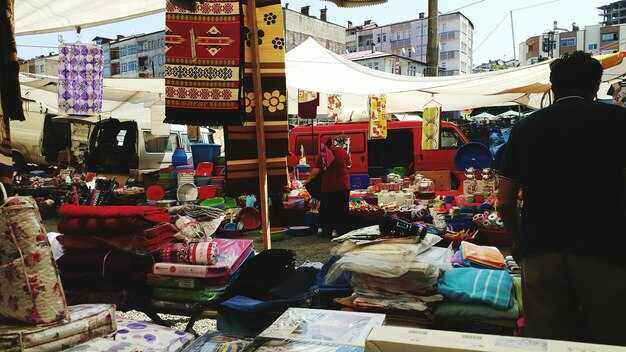
In a shop or at a market, greet people with Merhaba and add Lütfen before you ask a question. If an offer comes, respond with teşekkür ederim; you can say no thanks as hayır, teşekkür ederim without closing doors to future dialogue. Offers from vendors are common, and some will even share small samples; keeping the exchange light helps you build comfort with the language. That said, some shoppers prefer straightforward answers, so some phrases to practice include Bu ne kadar? (How much is this?) and Kabul eder misiniz? (Would you accept this?).
Leaving comments and writing letters is a natural extension. When you part, you can say Hoşça kal to the person staying, or Güle güle if you are the one leaving. If you plan to follow up, consider a short letter or a handful of letters sharing your appreciation and a couple of phrases you understood. Native speakers often respond with patience and helpful assistance, which is a good signal to practice more. With this approach you’ll master everyday communication and grow comfortable even with opposite registers and cultural nuance.
Introduce Yourself in Turkish: Phrases & Cultural Tips
Start with a warm greeting and state your name clearly: “Merhaba, benim adım [Name].” Keep it genuine and tell a tiny bit about myself in one concise line, then speak at a fast pace to sound confident.
Then, next, describe your purpose briefly: “I’m from [city]” or “I’m here on a trip.” Keep it fine and well-structured to invite conversation and show you’re listening.
Be mindful of cross-gender cues. In formal settings, a handshake is common; in certain family or casual circles, Turks may prefer a nod or a smile. Let the other person indicate what they’re comfortable with, and show respect by adapting quickly as part of different contexts and times.
Ramadan awareness matters: during daylight, avoid eating in front of fasting individuals; schedule meetings when possible and plan conversations after iftar. This consideration helps you connect smoothly rather than rush through the interaction.
For reliable starters, consult faqs and practice with a familiar partner. This helps you stay well and confident, knowing a few key expressions today. If you want to offer help, you can say ederim using Turkish to express willingness: “Size nasıl yardımcı ederim?”
Practical tips for daily life: use informal language with friends, but switch to a courteous, formal tone with strangers; when asking where bathrooms are, a simple “Tuvalet nerede?” works. This keeps you from surprises during a trip or while in busy areas.
exercises you can try today include 3 quick rounds: greet, state your name and purpose, and ask a light question to keep the chat flowing. This helps you stay confident, respectful, and ready for both night conversations and daytime encounters with Turks.
How to Politely Introduce Yourself in Turkish
Begin with Merhaba, a natural smile (güle) and a concise name line; this approach effectively sets a respectful tone in social and touristic settings. In foreign contexts, sarah keeps the exchanges brief and friendly.
- Open with greeting and name: Example: “Merhaba, benim adım Sarah.” Translation: “Hello, my name is Sarah.” Use a calm, even voice; these introductions work fine near and in formal settings.
- Ask a polite follow-up to invite interaction: “Nerelisiniz?” (Where are you from?). Use the formal form “siz” when the setting calls for it to demonstrate respect.
- Respond to greetings with a customary reply: If someone says “Selam,” answer with “aleyküm selam.” This customary exchange signals goodwill in casual and touristic contexts.
- Maintain appropriate tone and distance: Use gender-neutral language where possible, and keep a comfortable distance–neither too near nor too far–to fit the setting and avoid awkwardness.
- Close graciously and suggest a next step: “Memnun oldum” or “İyi tanıştık” can wrap up; hint at a next interaction by mentioning a nearby activity or topic related to the setting.
Tips to keep these introductions effective: keep eye contact steady, read the room, and read where the conversation might go next. These sentence frames work fine for near or formal evenings and help you stay natural in a touristy context.
Sample dialogue snippet (evening setting):
- Speaker A: “Merhaba, benim adım Sarah.” (Hello, my name is Sarah.)
- Speaker B: “Nerelisiniz?” (Where are you from?)
- Speaker A: “Nerelisiniz?” (Where are you from?)
- Speaker B: “İstanbul, Türkiye.” (I’m from Istanbul, Türkiye.)
- Speaker A: “Aleyküm selam.” (And to you, peace.)
Read these guidelines to adapt your approach near a cafe or at a museum, and adjust the tone for the setting. If you want to keep it friendly and familiar, add a light comment about the place and ask where the other person is headed next. This helps you form a comfortable connection with locals while staying respectful and clear in a touristic context.
Share Your Origin or Background Briefly

Use a single-line intro: “I’m from [origin], now in [city], [brief purpose].” Into this approach, keep it concise and easier for locals to grasp.
I’m from Izmir, now in Istanbul to practice Turkish; oldum, I felt accepted by locals; they explained directions, there I understood their pace and sound, and I engage with a friendly hand.
Have a brief explanation ready: “источник of my move is family and work opportunities; I accept new customs and prefer less small talk at first; covers my background in a couple of sentences.” Times can vary, so be prepared to adapt.
Aben helps in casual chats; use it to signal warmth when speaking with peers, and they’ll respond more openly. When you are asked for details, keep it simple and engage with a few questions about their setting.
Stay aware of setting and etiquette: check the news for local ramadan practices, and tailor your line to the moment; ensure your tone is open and your hand gestures calm. If police or officials stop you, stay calm and explain your background briefly; this approach creates better rapport with locals and provides a reliable источник of guidance. If someone says lyt-fen, respond with curiosity to show you are learning.
State Your Occupation or Reason for Being There
Deliver one concise line that states your occupation or purpose.
Keep it short and practical. In morning settings and busy areas, a single line covers the basics before you move into directions or other details. When traditions are rich, read the room and adjust the tone to feel respectful. If you are at the durağı or another public spot, this core line helps listeners orient themselves and makes the rest of your interactions easier to manage.
Examples to adapt: “I am a researcher,” “I am here for a workshop,” or “I am visiting as a guest.” In Turkish contexts you can add a quick local cue: “I am a researcher” can become “Ben bir araştırmacıyım” (check for accuracy before use). For greetings, pair a handshake with a brief line; after the exchange you may add a calm note like “tanıştığıma” and “memnun oldum” to signal you appreciated the meeting. If someone asks about location, respond with “neh-reh-deh” (where) to keep the flow natural, and if needed guide them with simple “directions.” When leaving, a soft “hoşça” helps close the interaction on a warm note. Always tailor the cadence to the setting; a single, well-placed line covers many scenarios and reduces unnecessary chatter.
Common cues to anchor your talk include mentioning the setting, the area you work in, and the cover‑tone you want to set. With practice, you’ll have a ready frame that fits different rooms, fewer misunderstandings, and richer conversations that stay on track from the start.
| Situation | English line | Turkish example | Notes |
|---|---|---|---|
| General purpose | I am a researcher, here for a workshop. | Araştırmacıyım, bir atölye için buradayım. | Clear role + reason; ready for follow‑ups. |
| Guest visit | I am visiting as a guest. | Misafir olarak ziyaret ediyorum. | Polite, concise; easy to extend. |
| Meeting context | I am here for a meeting. | Toplantı için buradayım. | Straightforward for professional settings. |
| Location check | Where is the meeting room? I need directions. | Toplantı odası nerede? Yol tarifine ihtiyacım var. | |
| Public spot cue | I’m at the durağı for a talk. | Görüşme için durağa geldim. | |
| Orientation note | neh-reh-deh? I’m asking where the area is to orient myself. | Nerede? Bölgeyi gösterebilir misiniz? |
Invite Conversation: ask for their name and respond politely
Start with a warm greeting, then asking for their name using a clear question: “What is your name?” or “Adınız nedir?” Keep the tone light and the pace steady so conversations feel natural. If they speak fast, invite them to slow down: “Could you repeat that a bit slower, please?”
After they answer, show respect by repeating the name and offering your own introduction: “Nice to meet you, [Name]. I’m [Your Name].” For a woman, you can add hanım after the Turkish version: “Memnun oldum, [Name] hanım.” This approach leaves a warmth impression without pressure and signals you’re ready for further introductions and exchanges.
Navigate conversations in various areas like markets, cafés, or museums. In busy areas keep your sentence brief: “Nice to meet you, [Name].” In tourist contexts, you can ask what brings them here or what they enjoy; this keeps the flow natural and shows respect for their experience and contents of the conversation.
Grammar matters: use simple sentence structures, listen actively, and respond with warmth. If they mention a preference, like vegetarian, acknowledge it: “Oh, you’re vegetarian–great, we can find options later.” If you need a pause, excuse yourself to the bathroom and return with the same light tone to maintain trust and ongoing conversations.
Contents of the talk should feel natural and considerate. Keep it brief and leave space for them to steer the conversation; if they signal leaving, offer a polite closing: “It was nice meeting you. Enjoy the rest of your day.”
Two practical sentence frames you can adapt: 1) You: “Hi there, what is your name?” They: “Ana.” You: “Nice to meet you, Ana.” 2) You: “Merhaba, Adınız nedir?” They: “Özge.” You: “Memnun oldum, Özge hanım.” These options help you show respect, build a light impression, and support smooth navigating of conversations in different areas, including crowded spaces there and around tourist venues.
Note: using a quick cue like lyt-fen can help you remember a small tip–keep it simple, smile, and listen; that trio sets a positive foundation for every encounter, whether you’re asking, after a brief pause, or arranging to chat again later.
Match Formality and Etiquette: titles, gestures, and tone in different settings
Choose the right titles from the outset. For formal contact with women, add the هانم after the surname; for men, use bey. turks usually expect this structure in business and official encounters, and the wrong ending can create a first impression that is hard to shift. If you are unsure, wait for a cue to shift to a more relaxed form; generally, you should let the other person indicate their preferred form.
Endings and introductions flow with the setting. In place of casual language, pair the titles with the surname: Sayın Hanım or Sayın Bey. When the setting is informal, you may move to first names only after consent; this transition is a crucial guideline you learn in lessons and practice.
Gestures should be gentle and restrained. A brief handshake remains common in formal contact; keep the grip light and the duration short. Avoid lingering contact or aggressive pressure. Between colleagues or in less formal areas, a nod or warm smile can supplement the greeting; contact should be brief and respectful. If you’re unsure, wait for the other person to signal comfort with more contact, and respect distance in the place and area around the face and chest.
Tone matters more than the exact words. Speak in a gentle, measured voice; avoid sarcasm or shouting. In formal meetings, be concise; in less formal settings, you can add warmth while staying within guidelines. Use calm grammar and clear word choice to ensure you’re understood, and avoid slang until you know the other person’s preferences. If you’re practicing, mirror the other person’s pace and rhythm to stay within the area and time frame. Note that the term vahr may appear in some etiquette notes, but treat it as a subtle cue for warmth rather than a signal for closeness.
Practical steps for real settings: in a meeting room or reception area, prepare a short, formal introduction aligned with the guidelines; avoid presenting too many الأدوات at once. Mention your role and purpose clearly; keep grammar clean and sentences short to expand clarity. Closing phrases may vary by place and context; find the right ending for the situation. After initial contact, you can assess whether to move to a more casual tone.
When asking questions, phrase them as inquiries rather than commands. Say your name with a brief pause after the greeting to allow the other person to respond. If youre unsure about the preferred form, ask politely: would you prefer to be addressed as Hanım or Bey? This demonstrates respect and helps you connect with turks and others in the area.
In summary, staying within guidelines and adapting to the place and context is crucial to being understood effectively. With consistent practice and by observing others, you expand your social skills and become adept at matching formality and etiquette across settings.







 العربية
  English (UK)
  Français
  Deutsch
  Русский
  Українська
  Türkçe
  Polski
  Español
  Italiano
  简体中文
简体中文  Ελληνικά
  日本語
日本語  한국어
한국어  Čeština
  Português