

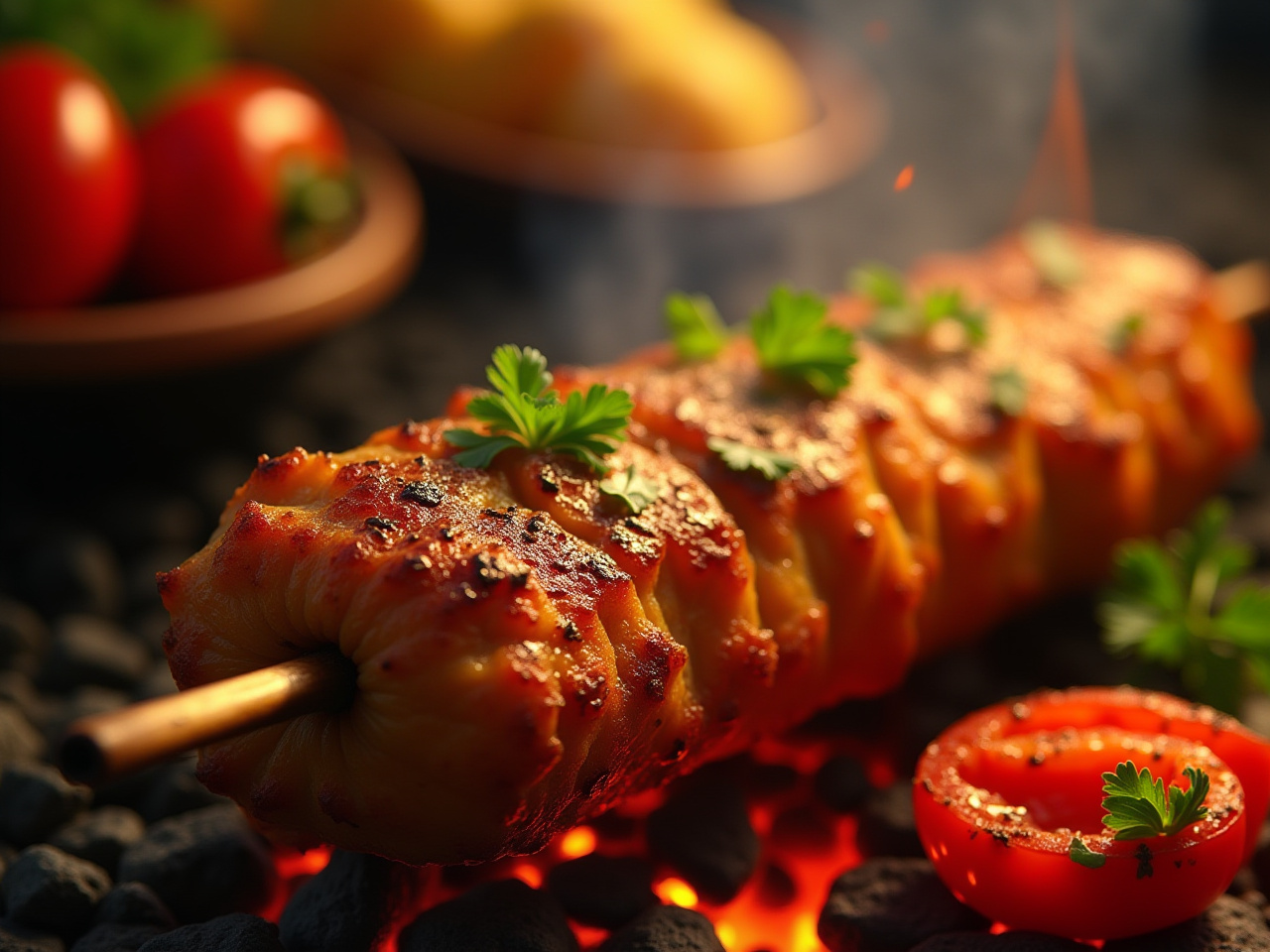
Turkish Kebab Recipe
In the realm of culinary marvels, few dishes can compete with the robust, smoky, and utterly delicious allure of Turkish kebabs. From the bustling streets of Istanbul to the sun-kissed landscapes of Adana, kebabs showcase a rich tapestry of flavors, spices, and cooking techniques. This article embarks on a flavorful journey, exploring various types of kebabs, their histories, and even how you can master a scrumptious kebab recipe right in your own kitchen. If you’re a culinary enthusiast, a food lover, or just someone eager to add a dash of adventure to your dining table, read on—this is worth your while!
What Makes Kebabs So Special?
Kebabs are not merely a dish; they are a celebration of culture, tradition, and culinary artistry. Originating in the Middle East, Turkish kebabs have evolved into various forms, with countless regional variations. The base of any good kebab is quality meat—often lamb or ground beef—which is marinated and flavored with a medley of spices and herbs, resulting in a dish that’s bursting with flavor. The hallmark of Turkish kebabs is the way they highlight natural ingredients, allowing the spices to complement the meat rather than overpower it.
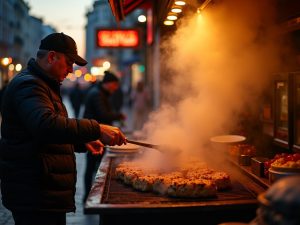
The preparation and grilling techniques also set kebabs apart. Cooked over a sizzling grill or open flame, the charred exterior enhances the kebab’s aroma, making it irresistible. Plus, there’s an element of interaction—skewering the meat, grilling it, and then sharing the meal with loved ones adds to the experience. Kebabs, therefore, embody not just taste but also the joy of shared moments and culinary bonds.
What Are the Different Types of Turkish Kebabs?
The menu of Turkish kebabs reads like a dream for meat lovers, showcasing various types that tantalize the taste buds. Among them, the Adana kebab is perhaps the most famous, known for its fiery spice blend and chunky minced meat. Another favorite is the shish kebab, traditionally made with marinated chunks of meat skewered alongside vegetables, providing a colorful and nutritious meal.
Then there’s the Iskender kebab, which takes things up a notch by serving thinly sliced döner meat over pieces of bread, drenched in a mouthwatering tomato sauce and often garnished with yogurt. Each variant has its own unique preparation and flavor profile, ensuring that there’s something for everyone. Exploring these kebabs not only broadens your palate but also offers a deeper insight into Turkish culture and its food traditions.
Why Is the Adana Kebab a Must-Try?
If there’s one kebab you cannot miss, it’s the Adana kebab. Named after the city of Adana, this dish is a quintessential representation of Turkish flavor. Made from hand-minced lamb mixed with a fragrant blend of spices, including cumin and red pepper, the Adana kebab packs a punch that is both savory and slightly spicy.
The secret lies in the meat’s fat content, which helps keep the kebabs juicy and flavorful as they grill. Traditionally, they are shaped onto long metal skewers and cooked over an open flame, serving up that splendid smoky flavor that can’t be replicated. When you bite into an Adana kebab, you’ll taste the history, culture, and flair of Turkish culinary techniques, all on a skewer!
How to Marinate Kebab for Maximum Flavor?
Marinating is key to creating incredibly flavorful kebabs. The marinade, which often consists of yogurt, lemon juice, and a mix of spices like sumac and paprika, helps tenderize the meat while infusing it with flavor. To create an authentic marinade for your Turkish kebabs, start with a base of yogurt. This not only adds depth but also enhances the meat’s texture.
Add a drizzle of olive oil and a generous sprinkle of spices. Allowing the meat to marinate for several hours, or ideally overnight, creates that delicious depth of flavor we all crave. The result? Kebabs that are juicy, aromatic, and bursting with spices—a recipe for a dinner that will be fondly remembered!
What Are the Key Spices in Kebabs?
Turkish kebabs are celebrated for their distinct and harmonious blend of spices. At the forefront of these flavor profiles is cumin, lending a warm, aromatic foundation. Sumac, with its tangy and slightly citrusy notes, brightens the overall taste, while paprika and red pepper flakes add the essential kick that makes these kebabs unforgettable.
Moreover, fresh herbs like parsley lend a bright note and balance the richness of the meat. The careful use of these spices is what elevates kebabs above the ordinary, transforming them into a tantalizing dish that resonates with the vibrant traditions of Turkish cuisine.
How to Grill the Perfect Kebab?
Grilling is an art form, especially when it comes to kebabs. Getting the grill to the right temperature is crucial; medium-high heat works best, allowing the meat to sear while keeping it juicy inside. Remember to soak wooden skewers in water beforehand if you’re using them to prevent burning.
When placing the kebabs on the grill, avoid constant flipping. Let them sear for a few minutes on each side to develop those gorgeous grill marks and smoky flavors. Cooking time varies based on the thickness of the meat, so keep an eye on them—overcooked kebabs can turn dry and chewy. Once those kebabs are sizzling and fragrant, serve them hot and watch as everyone gathers around to enjoy!
Can You Make Kebabs at Home?
Absolutely! Making kebabs at home is not just feasible but also fun and rewarding. Start by selecting your type of meat—ground lamb or beef are both great choices. Follow a recipe for Turkish kebabs to guide you through the marination and grilling processes.
Once you’ve mixed the meat with spices and formed them onto skewers, you have the option to grill them on an outdoor barbecue or even cook them in a broiler if you’re staying indoors. Pair with pita bread, a side of grilled vegetables, and a refreshing yogurt sauce, and you’ll have an authentic Turkish meal right in your kitchen! This allows for creativity and customization—create a kebab that fits your tastes!
What Is the Importance of Skewers in Kebab Preparation?
Skewers are more than just holding your meat together—they play a pivotal role in kebab preparation. Metal skewers are ideal for grilling as they conduct heat evenly, ensuring even cooking. Meanwhile, bamboo and wooden skewers are lighter and easier to handle, although they may require soaking to prevent burning.
Using skewers also adds an element of fun to the meal. Whether you’re making lamb shish kebabs or a traditional Adana kebab, the skewer serves as the perfect vessel for flavorful bites. Plus, they make for an impressive presentation when served, turning a simple dish into a feast for the eyes!
How Do Kebabs Fit Into Turkish Food Culture?
Kebabs hold a significant place in Turkish food culture, symbolizing community and hospitality. They are often served at family gatherings, celebrations, and local eateries throughout Turkey, showcasing the artistry behind this beloved dish. The act of sharing kebabs reflects the warmth of Turkish hospitality—food is a medium through which stories and connections are shared.
Street food culture in Turkey also embraces kebabs. From small vendors offering döner kebabs wrapped in pita to meat skewers grilled on open flames, Turkish kebabs embody the lively spirit of city life, especially in bustling areas like Istanbul. Exploring kebab restaurants offers a delightful gastronomic journey that allows you to taste the nuts and bolts of Turkish culinary tradition.
Why Is Turkish Cuisine So Popular?
Turkish cuisine captivates the hearts and taste buds of food lovers around the globe. Its unique ability to blend flavors, thanks to a mix of Middle Eastern and Mediterranean influences, results in dishes that are rich yet balanced. Kebabs, in particular, embody this culinary richness, offering a multitude of flavors that cater to diverse palates.
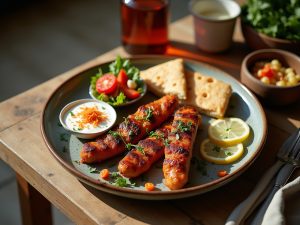
Whether you’re indulging in a classic döner, enjoying a robust Adana, or savoring a homemade kebab at home, you’re partaking in a culinary tradition that transcends generations. Turkish cuisine highlights the importance of ingredient quality, cooking techniques, and, most importantly, the joy of sharing meals with loved ones.
Step-by-Step Recipe for Perfect Turkish Kebabs
Ingredients:
- 1 pound of ground lamb (or ground beef)
- 1 medium onion, finely chopped
- 3 cloves of garlic, minced
- 1 tablespoon of cumin
- 1 tablespoon of paprika
- 1 tablespoon of red pepper flakes (adjust to taste)
- 1 teaspoon of sumac
- 1/4 cup of fresh parsley, finely chopped
- 1/4 cup of yogurt
- 2 tablespoons of olive oil
- Juice of 1 lemon
- Salt and pepper to taste
- Skewers (metal or soaked bamboo)
Instructions:
- Prepare the Marinade:
In a large bowl, combine the ground lamb (or beef) with finely chopped onion, minced garlic, cumin, paprika, red pepper flakes, sumac, and chopped parsley. This blend of spices is essential for creating those rich, bold flavors that make kebabs special.
- Dodaj wilgoć:
Wlej jogurt i oliwę z oliwek, a następnie sok z cytryny. To sprawi, że kebaby pozostaną wilgotne, jednocześnie poprawiając ich smak. Dodaj sól i pieprz do smaku, mieszając wszystko razem, aż do połączenia składników.
- Marynowanie Mięsa:
Przykryj miskę folią spożywczą i włóż do lodówki na co najmniej 1 godzinę – idealnie na całą noc. Pozwolenie mięsu na marynowanie pozwala smakom się połączyć i przeniknąć do mięsa, co skutkuje przepysznie pikantnymi kebabami.
- Formuj Kebaby:
Po zamarynowaniu weź garść mieszanki mięsnej i uformuj ją na szaszłyki, mocno dociskając, aby zapewnić, że zachowa swój kształt podczas gotowania. Dąż do grubości około 2,5 cm wzdłuż szaszłyka.
- Przygotuj grill:
Rozgrzej grill do średnio wysokiej temperatury. Jeśli używasz grilla węglowego, poczekaj, aż węgielki będą żarzyć się. Jeśli używasz grilla gazowego, poczekaj, aż osiągnie on żądaną temperaturę.
- Grillowanie kebabów:
Umieść szaszłyki na grillu bezpośrednio nad źródłem ciepła. Unikaj zbyt częstego obracania; pozwól im się opiekać przez około 3-4 minuty z każdej strony, aby uzyskać piękny aromat zwęglenia i dymny smak. Czas gotowania może się różnić w zależności od grubości mięsa.
- Sprawdzić, czy jest gotowe:
Gotuj, aż kebaby będą zrumienione i dobrze ugotowane, osiągając wewnętrzną temperaturę 71°C (160°F) dla jagnięciny lub wołowiny. Nie gotuj zbyt długo, ponieważ może to prowadzić do suchych kebabów.
- Podawaj i delektuj się:
Po upieczeniu na idealnym ogniu, zdejmij kebaby z grilla. Podawaj je na gorąco z ciepłym chlebkiem pita lub plackiem, dodatkiem grillowanych warzyw i orzeźwiającym sosem jogurtowym. Nie zapomnij udekorować dodatkową pietruszką lub ćwiartkami cytryny, aby uzyskać ten wybuch świeżości!
- Podziel się wrażeniami:
Zbierz przyjaciół i rodzinę przy stole i wspólnie cieszcie się wspaniałą podróżą po tureckich smakach! Kebaby najlepiej smakują, gdy są dzielone z innymi, co odzwierciedla ciepło i gościnność tureckiej kultury.
Udanych grillowań! Smacznego doskonałych tureckich kebabów!









 Polski
  English (UK)
  Français
  Deutsch
  Русский
  Українська
  Türkçe
  Español
  Italiano
  العربية
  简体中文
简体中文  Ελληνικά
  日本語
日本語  한국어
한국어  Čeština
  Português